The Importance of Annual Sprinkler Inspections: Protecting Lives and Property
Why regular sprinkler system maintenance is critical for safety, compliance, and insurance coverage
Fire sprinkler systems are one of the most effective fire protection measures available, controlling or extinguishing fires in 96% of cases where they operate properly. However, this impressive success rate depends entirely on proper maintenance and regular inspections. Annual sprinkler inspections aren't just regulatory requirements—they're essential safeguards that ensure your system will function correctly when you need it most.
The Critical Role of Fire Sprinkler Systems
Automatic fire sprinkler systems provide round-the-clock protection for your building and its occupants. Unlike fire extinguishers that require human intervention or fire alarms that only detect and alert, sprinkler systems actively suppress fires automatically—even when your building is unoccupied.
Sprinkler System Impact Statistics
Effectiveness rate when properly maintained
Reduction in property damage compared to non-sprinklered buildings
Decrease in civilian fire deaths
Reduction in insurance premiums
These impressive statistics demonstrate the life-saving and property-protecting capabilities of sprinkler systems. However, they only apply to systems that are properly maintained and inspected according to NFPA 25 standards.
Understanding NFPA 25 Requirements
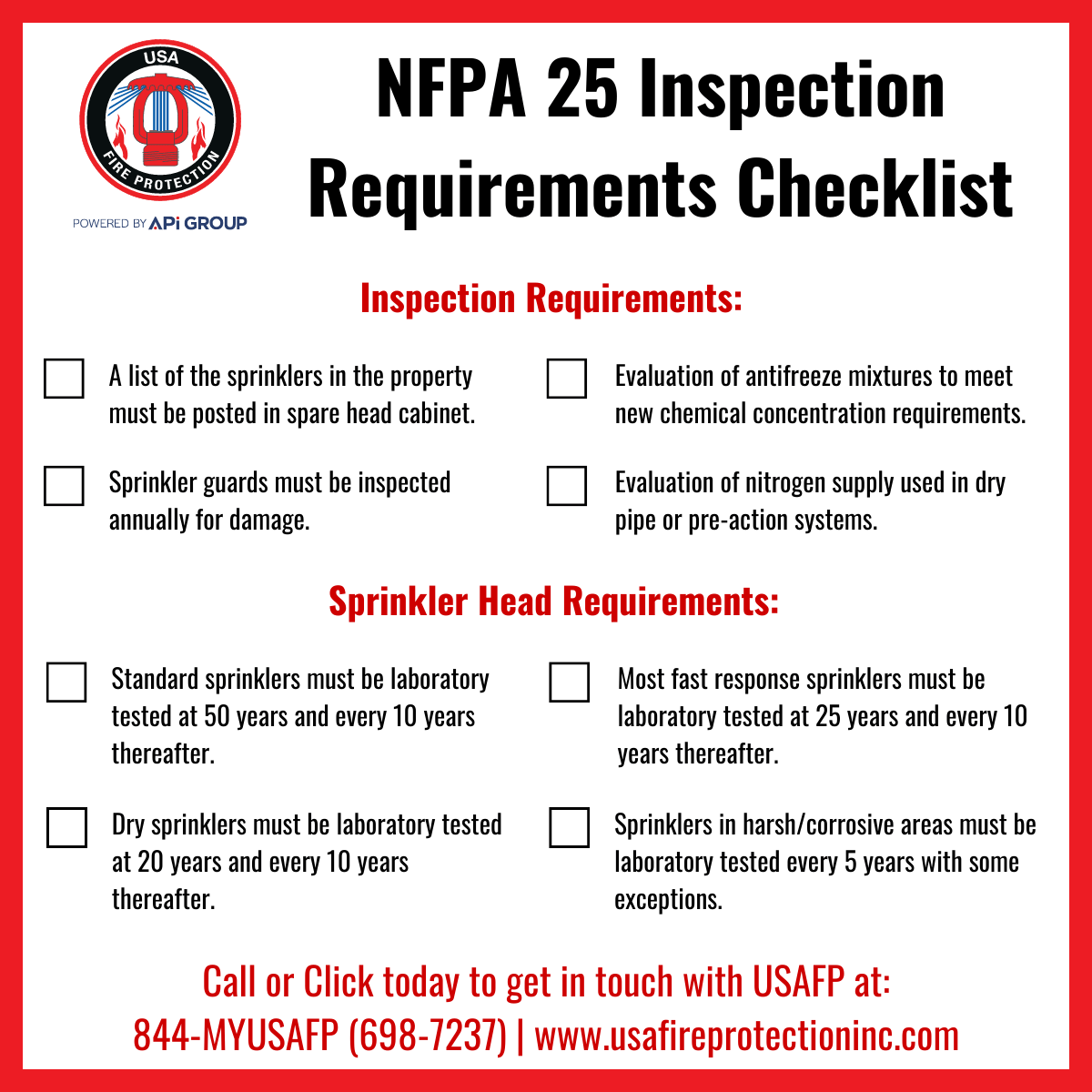
The National Fire Protection Association (NFPA) 25 standard establishes the minimum requirements for inspection, testing, and maintenance of water-based fire protection systems. This comprehensive standard ensures that sprinkler systems remain in optimal operating condition throughout their service life.
Inspection Frequency Requirements
Weekly Inspections
- • Visual check of control valves to ensure they're fully open
- • Verification that valve supervisory devices are functioning
- • Inspection of fire department connections for accessibility
Monthly Inspections
- • Examination of sprinkler heads for damage, corrosion, or obstruction
- • Inspection of gauges to ensure proper pressure readings
- • Visual check of piping for leaks or damage
- • Verification of adequate clearance below sprinkler heads
Quarterly Inspections
- • Testing of main drain flow to verify water supply adequacy
- • Inspection of wet pipe system components
- • Examination of alarm devices and supervisory signals
- • Testing of fire pump operations (if applicable)
Annual Inspections (Comprehensive)
- • Complete system evaluation by certified professionals
- • Full flow testing of all components
- • Internal inspection of backflow preventers
- • Testing of all alarm and supervisory devices
- • Comprehensive documentation and reporting
What Happens During an Annual Inspection?
Annual sprinkler inspections are comprehensive evaluations conducted by certified fire protection professionals. These thorough examinations go far beyond visual checks to ensure every component of your system functions correctly.
Comprehensive Inspection Components
System Component Evaluation
Sprinkler Heads
- • Inspection for corrosion, damage, or paint buildup
- • Verification of proper orientation and spacing
- • Confirmation of appropriate temperature ratings for locations
- • Replacement of heads showing signs of deterioration
- • Testing of sample heads from different manufacturing years
Piping and Fittings
- • Visual examination for leaks, corrosion, or physical damage
- • Verification of proper pipe support and hangers
- • Inspection of pipe joints and connections
- • Assessment of pipe condition in concealed spaces (where accessible)
- • Evaluation of any modifications or additions to the system
Control Valves
- • Full operation test of all control valves
- • Verification of valve accessibility and identification
- • Testing of valve supervisory switches and alarms
- • Inspection of valve seals and tamper devices
- • Lubrication and maintenance as needed
Water Supply
- • Flow testing to verify adequate water pressure and volume
- • Inspection of water supply connections
- • Testing of backflow prevention devices
- • Evaluation of fire pump performance (if applicable)
- • Assessment of water tank levels and conditions (if applicable)
Alarm and Supervisory Devices
- • Functional testing of waterflow alarms
- • Verification of alarm signal transmission
- • Testing of supervisory signals for valve position
- • Inspection of alarm bell or horn operation
- • Confirmation of proper alarm panel functionality
Documentation and Reporting
Professional inspectors provide comprehensive documentation of all findings, including:
- Detailed inspection reports listing all components examined
- Test results including pressure readings and flow measurements
- Identification of deficiencies or areas requiring attention
- Recommendations for repairs, replacements, or upgrades
- Certification of compliance with NFPA 25 standards
Consequences of Neglecting Annual Inspections
Failing to conduct annual sprinkler inspections creates serious risks that extend far beyond regulatory non-compliance. The consequences can be devastating for your business, employees, and bottom line.
System Failure During Emergency
Unmaintained sprinkler systems may fail when needed most. Corrosion, blockages, frozen pipes, or mechanical failures can prevent proper operation, allowing fires to spread unchecked and potentially causing catastrophic damage or loss of life.
Insurance Coverage Denial
Most commercial insurance policies require documented proof of regular sprinkler system maintenance. Failure to provide inspection records can result in claim denials, leaving you financially responsible for fire damage that could have been covered.
Regulatory Violations and Fines
Building codes and fire safety regulations mandate regular sprinkler inspections. Non-compliance can result in citations, fines, and even building closure orders. Violations also create liability exposure in the event of fire-related injuries or deaths.
Increased Repair Costs
Minor issues that could be identified and corrected during routine inspections often escalate into major problems requiring expensive repairs or complete system replacement. Regular maintenance is far more cost-effective than emergency repairs.
Legal Liability
If a fire causes injuries or deaths and investigation reveals inadequate sprinkler system maintenance, property owners and managers face potential criminal charges and civil lawsuits. Documented compliance with inspection requirements provides critical legal protection.
Common Issues Discovered During Inspections
Annual inspections frequently identify problems that building owners and managers don't notice during routine operations. Early detection allows for timely corrections before these issues compromise system performance.
Frequently Identified Problems
Obstructed Sprinkler Heads
Storage, equipment, or building modifications often create obstructions that prevent proper sprinkler coverage. NFPA 25 requires 18 inches of clearance below sprinkler heads, but this requirement is frequently violated.
Corroded Components
Pipes, fittings, and sprinkler heads can corrode over time, particularly in environments with high humidity or corrosive atmospheres. Corrosion weakens components and can cause leaks or failures.
Painted or Damaged Sprinkler Heads
Paint, dust, or physical damage can prevent sprinkler heads from operating correctly. Any sprinkler head that has been painted must be replaced, as paint can affect the thermal element's activation temperature.
Inadequate Water Pressure
Changes to municipal water supply, closed valves, or system modifications can reduce water pressure below required levels. Flow testing during annual inspections identifies these critical deficiencies.
Valve Tampering or Closure
Control valves that are partially or fully closed render sprinkler systems ineffective. Supervisory devices should alert to valve closure, but these devices themselves require testing to ensure functionality.
Selecting a Qualified Inspection Provider
The quality of your annual inspection depends entirely on the expertise and thoroughness of the inspection provider. Choosing qualified professionals ensures accurate assessments and reliable system performance.
Essential Qualifications
NICET Certification
Look for technicians certified by the National Institute for Certification in Engineering Technologies (NICET). NICET Level II or higher certification demonstrates comprehensive knowledge of fire protection systems and inspection procedures.
Licensing and Insurance
Verify that inspection providers hold appropriate state and local licenses for fire protection work. Ensure they carry adequate liability insurance and workers' compensation coverage to protect you from potential claims.
Experience and References
Choose providers with extensive experience inspecting systems similar to yours. Request references from clients with comparable facilities and verify their satisfaction with inspection quality and service responsiveness.
Comprehensive Reporting
Quality inspection providers deliver detailed reports documenting all findings, test results, and recommendations. Reports should be clear, comprehensive, and suitable for presentation to authorities having jurisdiction and insurance providers.
Maintaining Inspection Records
Proper documentation of all inspections, tests, and maintenance activities is essential for compliance, insurance coverage, and liability protection. Maintain comprehensive records including:
- Inspection reports from all weekly, monthly, quarterly, and annual inspections
- Test results including pressure readings, flow measurements, and alarm verifications
- Documentation of all repairs, replacements, and system modifications
- Certificates of compliance and inspection completion
- Correspondence with authorities having jurisdiction
NFPA 25 requires that inspection records be maintained for at least one year, but best practice recommends keeping records for the life of the system. Digital record-keeping systems facilitate organization, retrieval, and compliance demonstration.
Conclusion: Invest in Protection
Annual sprinkler inspections represent a modest investment that yields substantial returns in safety, compliance, and peace of mind. The cost of professional inspections pales in comparison to the potential consequences of system failure—property destruction, business interruption, injury, or loss of life.
Don't wait for a fire emergency to discover that your sprinkler system isn't functioning properly. Schedule your annual inspection today and ensure your fire protection system is ready to protect your people and property when it matters most.