How to Choose the Right Fire Alarm System for Your Facility
Not all fire alarm systems are created equal. Learn how to select the right system for your building's size, occupancy type, and protection needs.
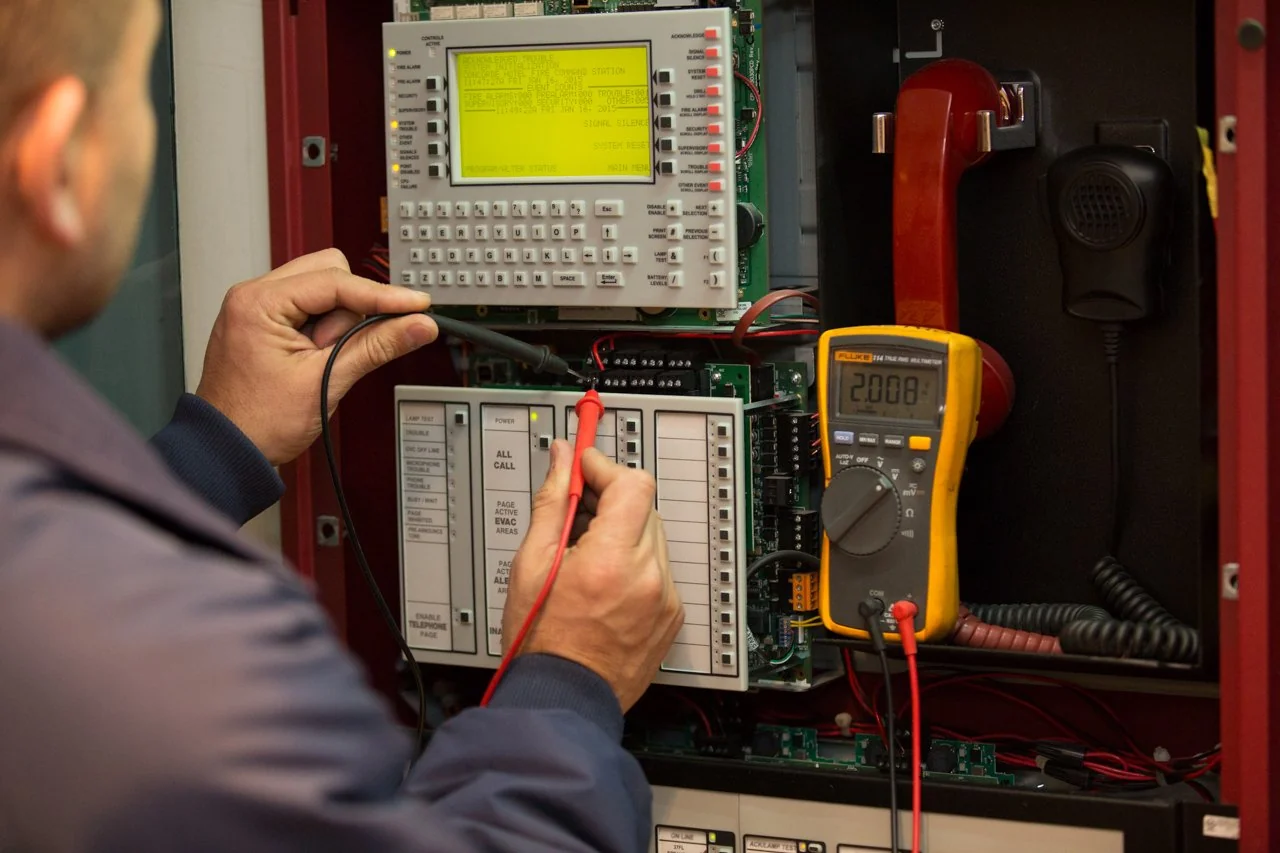
Choosing a fire alarm system is one of the most important decisions you'll make for your facility's safety. The right system provides reliable early warning, ensures code compliance, and protects lives and property. The wrong system can result in false alarms, inadequate coverage, compliance issues, and excessive costs. This comprehensive guide will help you navigate the selection process and make an informed decision.
Understanding Your Facility's Needs
Before evaluating specific fire alarm systems, you must understand your facility's unique requirements. Start with building size and layout. Small, simple buildings may be adequately protected by conventional systems, while large or complex facilities typically require addressable systems that can pinpoint alarm locations and provide detailed diagnostic information.
Occupancy type significantly influences system requirements. High-rise buildings, healthcare facilities, schools, hotels, and assembly occupancies have specific code requirements that dictate system features and capabilities. Industrial facilities with hazardous materials may require specialized detection and notification. Understanding your occupancy classification is essential for code compliance and appropriate protection.
Consider your facility's operational characteristics. Buildings with 24/7 operations have different needs than those occupied only during business hours. Facilities with high ceilings, dust, or temperature extremes require specialized detectors. Buildings undergoing frequent reconfigurations benefit from flexible, easily modified systems. Identify these factors early to narrow your options appropriately.
Conventional vs. Addressable Systems
The fundamental choice in fire alarm systems is between conventional and addressable architectures. Conventional systems divide buildings into zones, with multiple devices wired to each zone. When an alarm occurs, the panel indicates which zone activated but cannot identify the specific device. This limitation makes troubleshooting more difficult and slows emergency response in large buildings.
Conventional systems are cost-effective for small, simple buildings where zone-level identification is adequate. They're reliable, easy to understand, and straightforward to maintain. However, they lack the diagnostic capabilities and flexibility of addressable systems. As buildings grow in size or complexity, conventional systems become increasingly impractical.
Addressable systems assign a unique address to each device on the system. The fire alarm panel can identify exactly which device activated, providing precise location information to emergency responders and building staff. Addressable systems offer sophisticated diagnostics, reporting device status, sensitivity levels, and maintenance needs. They support advanced features like pre-alarm warnings, device sensitivity adjustment, and integration with building automation systems.
While addressable systems cost more initially, they often prove more economical over time. Reduced false alarms, easier troubleshooting, and lower maintenance costs offset higher upfront investment. For buildings over 10,000 square feet or with complex layouts, addressable systems are typically the better choice. They're essential for high-rise buildings, healthcare facilities, and other occupancies requiring detailed alarm information.
Detection Technology Options
Fire alarm systems use various detection technologies, each suited to different applications and environments. Smoke detectors are the most common, providing early warning by detecting visible or invisible smoke particles. Ionization smoke detectors respond quickly to fast-flaming fires with small smoke particles. Photoelectric smoke detectors excel at detecting slow-smoldering fires with larger smoke particles.
Modern multi-criteria detectors combine multiple sensing technologies—typically photoelectric smoke detection with heat sensing or carbon monoxide detection. These intelligent devices analyze multiple parameters to distinguish actual fires from nuisance sources, significantly reducing false alarms while maintaining high sensitivity to real fires. They're particularly valuable in areas prone to false alarms from cooking, dust, or humidity.
Heat detectors activate when temperature reaches a fixed threshold or rises at an abnormal rate. They're ideal for areas where smoke detectors would false alarm frequently—kitchens, mechanical rooms, dusty environments, or areas with high humidity. However, heat detectors respond more slowly than smoke detectors and aren't suitable as the primary detection method in most occupancies.
Specialized detectors serve unique applications. Beam smoke detectors protect large open spaces like warehouses and atriums. Aspirating smoke detection systems (ASDS) provide extremely early warning in critical environments like data centers and clean rooms. Flame detectors respond to the infrared or ultraviolet radiation produced by flames, useful in industrial settings with high fire growth rates.
Notification Appliances
Fire alarm notification isn't just about making noise—it's about ensuring everyone in the building receives clear, unmistakable warning. Traditional horn/strobe combinations remain common, but modern systems offer sophisticated notification options. Audibility requirements specify minimum sound levels throughout the building, accounting for ambient noise and ensuring alarms can be heard even in noisy environments.
Voice evacuation systems use speakers to deliver clear verbal messages during emergencies. They're required in many high-rise buildings and large assembly occupancies. Voice systems allow different messages for different areas, supporting phased evacuation strategies. They can also be used for routine announcements, providing additional value beyond fire alarm functions.
Visual notification through strobe lights is required to alert hearing-impaired occupants. Strobes must meet specific intensity and flash rate requirements and be positioned to ensure visibility throughout protected areas. In sleeping areas, high-intensity strobes or bed shaker devices may be required to wake occupants.
Mass notification systems integrate fire alarm with emergency communication capabilities, allowing facility-wide alerts for various emergencies beyond fire. These systems are increasingly common in schools, campuses, and large commercial facilities where multiple emergency scenarios must be addressed.
System Integration Capabilities
Modern fire alarm systems don't operate in isolation—they integrate with other building systems to enhance safety and operational efficiency. Elevator recall automatically returns elevators to designated floors during fire alarms, preventing occupants from using elevators during evacuations. Door release systems unlock exit doors and release magnetic hold-open devices on fire doors, ensuring clear egress paths.
HVAC integration shuts down air handling systems or activates smoke control modes to prevent smoke spread through ductwork. In buildings with smoke control systems, fire alarms activate pressurization fans and exhaust systems to maintain tenable conditions in exit stairwells and refuge areas. Access control integration can automatically unlock doors during evacuations while maintaining security in unaffected areas.
Building automation system (BAS) integration allows fire alarm status monitoring through the BAS interface and enables coordinated responses to fire events. Emergency lighting integration ensures adequate illumination during evacuations. Coordinated building-system integration can also streamline emergency response procedures.
When evaluating systems, consider current integration needs and potential future requirements. Open protocol systems using standards like BACnet offer greater flexibility for integration with various building systems. Proprietary systems may offer tighter integration with specific manufacturers' products but limit future options.
Code Compliance and Authority Having Jurisdiction
Fire alarm system selection must begin with understanding applicable codes and standards. NFPA 72 (National Fire Alarm and Signaling Code) establishes minimum requirements for fire alarm system design, installation, testing, and maintenance. Local building and fire codes may impose additional requirements or modify NFPA standards. The authority having jurisdiction (AHJ)—typically the local fire marshal—has final approval authority and may require specific features or capabilities.
Engage the AHJ early in the planning process. Submit preliminary plans for review before making final equipment purchases. AHJs can provide valuable guidance on local requirements and preferences, potentially saving significant time and money by avoiding non-compliant designs. Some jurisdictions require specific manufacturers or technologies based on local experience and maintenance capabilities.
Insurance requirements may influence system selection. Insurance companies often offer premium discounts for buildings with monitored fire alarm systems or specific features like voice evacuation. Consult your insurance carrier early to understand requirements and potential savings. Document all code and insurance requirements before beginning detailed system design.
Monitoring and Response
How your fire alarm system communicates with emergency responders significantly impacts response times and outcomes. Central station monitoring transmits alarms to a UL-listed monitoring center that verifies alarms and notifies the fire department. This approach is required in many jurisdictions and provides redundancy if on-site personnel don't respond appropriately.
Direct connection to fire department dispatch centers eliminates the monitoring center intermediary, potentially reducing response times. However, many fire departments no longer accept direct connections due to false alarm concerns. Remote monitoring via internet or cellular connections allows building owners and facility managers to receive real-time alarm notifications, enabling quick response to false alarms or actual emergencies.
Consider backup communication paths. Primary communication via telephone lines should be supplemented with cellular or internet backup to ensure alarm transmission even if primary paths fail. Dual-path communication is increasingly required by codes and insurance companies for critical facilities.
Scalability and Future Expansion
Buildings evolve over time, and fire alarm systems must adapt. When selecting a system, consider not just current needs but anticipated future requirements. Choose systems with adequate spare capacity—typically 25% spare zones or device addresses—to accommodate additions without major upgrades. Modular systems that allow adding panels or network nodes simplify expansion.
Wireless fire alarm technology offers exceptional flexibility for renovations and expansions. While wireless systems cost more per device than wired systems, they eliminate expensive conduit and wiring installation, particularly valuable in existing buildings or areas where running wire is difficult. Hybrid systems combining wired and wireless devices provide optimal flexibility.
Consider the manufacturer's track record and market presence. Selecting systems from established manufacturers with strong support networks ensures long-term parts availability and technical support. Proprietary systems from small manufacturers may offer attractive features but pose risks if the manufacturer discontinues products or goes out of business.
Total Cost of Ownership
Fire alarm system costs extend far beyond initial purchase and installation. Total cost of ownership includes installation, commissioning, ongoing maintenance, monitoring fees, and eventual replacement. While initial cost is important, focusing exclusively on upfront price often leads to higher long-term costs.
Installation costs vary significantly based on system complexity, building construction, and local labor rates. Addressable systems typically cost more to install than conventional systems due to programming requirements. However, addressable systems often require less wire, potentially offsetting some cost difference. Wireless systems have higher device costs but lower installation costs, making them competitive in retrofit applications.
Maintenance costs depend on system complexity, reliability, and ease of service. Systems with good diagnostic capabilities reduce troubleshooting time and maintenance costs. False alarm reduction features minimize nuisance service calls. Widely used systems benefit from competitive service pricing and readily available parts. Proprietary systems may lock you into single-source maintenance at premium prices.
Monitoring fees are ongoing expenses that accumulate significantly over system life. Shop monitoring services carefully, comparing features, response procedures, and costs. Some monitoring companies offer package deals including maintenance, potentially simplifying vendor management and reducing total costs.
Working with Fire Protection Professionals
Selecting and designing fire alarm systems requires specialized expertise. Partner with qualified fire protection professionals who hold appropriate certifications and have experience with your building type. NICET (National Institute for Certification in Engineering Technologies) certification demonstrates technical competence in fire alarm system design and installation.
A qualified fire protection professional will conduct a thorough site assessment, review applicable codes and standards, consult with the AHJ, develop a compliant system design, specify appropriate equipment, and oversee installation and commissioning. They serve as your advocate with equipment manufacturers, contractors, and authorities having jurisdiction.
Don't base selection solely on price. The lowest bid often comes from contractors cutting corners on design, equipment quality, or installation practices. These shortcuts lead to system problems, code violations, and higher long-term costs. Invest in quality design and installation—your fire alarm system is too important for bargain-hunting.
Conclusion
Choosing the right fire alarm system requires careful analysis of your facility's needs, applicable codes, available technologies, and long-term costs. There's no one-size-fits-all solution—the best system for your facility depends on your specific circumstances. By understanding the options, working with qualified professionals, and focusing on total cost of ownership rather than just initial price, you can select a system that provides reliable protection for years to come.
Remember that the fire alarm system is a critical life safety investment. Take time to make an informed decision, engage stakeholders early, and prioritize quality and reliability over cost savings. A well-designed, properly installed fire alarm system provides peace of mind and protection that far exceeds its cost.
Need Help Selecting a Fire Alarm System?
Our NICET Level 3 certified professionals can assess your facility, recommend the right system for your needs, and handle design, installation, and commissioning from start to finish.