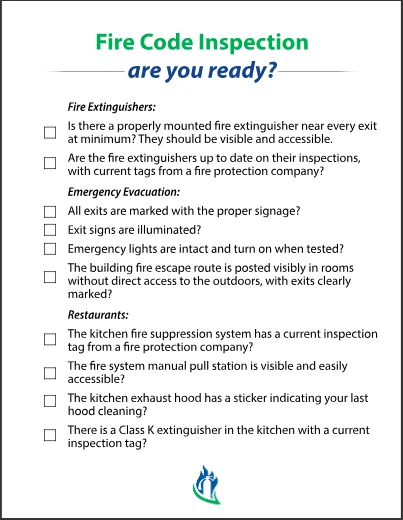
Fire code compliance is not just a legal requirement—it's a fundamental responsibility that protects lives, preserves property, and ensures business continuity. For commercial property owners and facility managers, understanding and maintaining compliance with fire safety regulations can seem overwhelming, but the consequences of non-compliance are far more serious than the effort required to meet these standards.
The Foundation of Fire Code Compliance
Fire codes exist to establish minimum safety standards for buildings and facilities. These regulations are developed by organizations such as the National Fire Protection Association (NFPA) and adopted by local jurisdictions with modifications to address regional concerns. The International Fire Code (IFC) serves as the model code for many municipalities, providing comprehensive requirements for fire prevention, protection systems, and emergency preparedness.
Commercial properties must comply with multiple layers of regulation, including building codes that govern construction standards, fire codes that address ongoing safety requirements, and occupancy-specific regulations that apply to particular business types. Understanding which codes apply to your facility is the first step toward achieving and maintaining compliance.
Essential Fire Protection Systems
Modern fire codes require commercial properties to install and maintain various fire protection systems based on building size, occupancy type, and hazard classification. These systems work together to provide comprehensive protection through early detection, notification, and suppression capabilities.
Fire Alarm Systems
Fire alarm systems are mandatory in most commercial buildings and must meet NFPA 72 standards for installation, testing, and maintenance. These systems include smoke detectors, heat sensors, manual pull stations, and notification devices such as horns and strobes. Modern addressable systems provide precise location information for alarm conditions, enabling faster response and reducing false alarms.
Compliance requires annual inspections by qualified technicians who test all system components, verify proper operation, and document results. Semi-annual testing of notification devices and quarterly testing of emergency power supplies are also mandated. Property owners must maintain detailed records of all inspections and testing for review by fire marshals during compliance inspections.
Emergency Lighting and Exit Signs
Emergency lighting and exit signs must be tested monthly for thirty seconds and annually for ninety minutes to verify battery backup operation. Exit pathways must remain clear and unobstructed at all times, with illumination levels meeting minimum code requirements. Fire doors and dampers must be inspected annually to ensure proper operation and sealing capability.
Occupancy-Specific Requirements
Fire codes classify buildings by occupancy type, with each classification carrying specific requirements. Assembly occupancies such as restaurants and theaters face stricter egress requirements due to high occupant loads. Educational facilities must conduct fire drills at specified intervals and maintain detailed evacuation plans. Healthcare facilities require specialized smoke compartmentation and staff training for patient evacuation.
Industrial and storage occupancies must address unique hazards associated with manufacturing processes and stored materials. Hazardous material storage requires special permits, containment systems, and emergency response planning. High-piled storage operations often require additional fire-code review and fire department access planning.
Inspection and Enforcement
Fire marshals conduct periodic inspections of commercial properties to verify code compliance. Inspection frequency varies by jurisdiction and occupancy type, with high-hazard facilities inspected more frequently. Violations discovered during inspections must be corrected within specified timeframes, with serious hazards requiring immediate remediation.
Common violations include blocked exits, inoperative fire protection systems, improper storage of combustible materials, and inadequate maintenance records. Property owners who fail to correct violations face escalating enforcement actions including fines, occupancy restrictions, and potential criminal charges for egregious violations that endanger occupants.
Developing a Compliance Program
Successful fire code compliance requires a systematic approach that includes regular inspections, preventive maintenance, staff training, and documentation. Designating a fire safety coordinator responsible for compliance oversight ensures accountability and consistency. This individual should maintain relationships with fire officials, coordinate inspections and testing, and track correction of deficiencies.
Preventive maintenance programs should address all fire protection systems on schedules that meet or exceed code requirements. Establishing service contracts with qualified contractors ensures timely completion of required inspections and testing. Digital record-keeping systems facilitate documentation management and provide quick access to inspection reports during fire marshal visits.
Employee training is essential for maintaining compliance and ensuring effective emergency response. Staff should understand evacuation procedures and their role in maintaining fire safety. Regular fire drills reinforce training and identify areas for improvement in emergency procedures.
The Business Case for Compliance
While fire code compliance requires investment in systems, maintenance, and training, the costs of non-compliance far exceed these expenses. Fire-related property damage, business interruption, liability claims, and regulatory penalties can devastate a business financially. Insurance carriers may deny claims or cancel coverage for properties with documented code violations.
Beyond financial considerations, fire code compliance protects your most valuable asset—your employees and customers. A comprehensive fire safety program demonstrates corporate responsibility and can enhance your company's reputation. Many customers and business partners now require evidence of fire safety compliance as a condition of doing business.
Working with Fire Protection Professionals
Navigating fire code requirements is complex, and partnering with experienced fire protection professionals provides valuable expertise and peace of mind. NICET Level 3 certified technicians possess specialized knowledge of fire alarm systems, ensuring installations and modifications meet current code requirements. Licensed contractors maintain relationships with fire officials and understand local code interpretations and enforcement priorities.
Professional fire protection companies offer comprehensive services including system design, installation, inspection, testing, and maintenance. Many provide compliance management services that track inspection schedules, maintain documentation, and coordinate with fire officials. This turnkey approach allows property owners to focus on their core business while ensuring fire safety obligations are met.
Conclusion
Fire code compliance is an ongoing responsibility that requires attention, resources, and commitment. By understanding applicable codes, maintaining fire protection systems, training employees, and partnering with qualified professionals, commercial property owners can create safe environments that protect lives and property while avoiding costly violations and penalties. The investment in compliance pays dividends through reduced risk, lower insurance costs, and the peace of mind that comes from knowing your facility meets the highest safety standards.