Essential Fire Safety Tips for Commercial Buildings
Protecting your employees, customers, and assets starts with implementing comprehensive fire safety practices. Here's what every commercial building owner and manager needs to know.
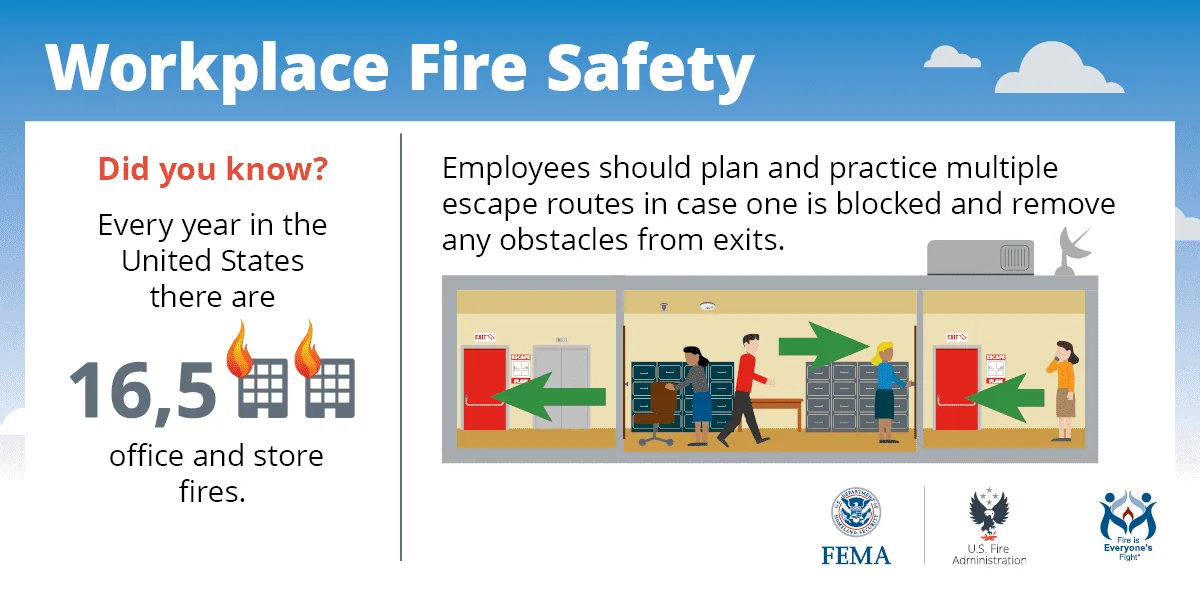
Fire safety in commercial buildings is not just about compliance—it's about creating a safe environment for everyone who enters your facility. Whether you manage an office building, retail space, warehouse, or industrial facility, implementing proper fire safety measures can mean the difference between a minor incident and a catastrophic loss.
1. Maintain Your Fire Protection Systems
Your fire alarm system is your first line of defense, but it only works if properly maintained. Schedule regular inspections according to NFPA 72 standards. This includes monthly visual inspections, quarterly functional tests, and annual comprehensive inspections by certified professionals. Don't wait until an inspection failure or system malfunction to address maintenance—preventive care is always more cost-effective than emergency repairs.
Keep detailed records of all inspections, tests, and maintenance activities. These records are not only required for code compliance but also prove invaluable during insurance claims and can help identify recurring issues before they become serious problems.
2. Conduct Regular Fire Drills
Fire drills aren't just for schools. Regular evacuation drills ensure that everyone in your building knows exactly what to do when the alarm sounds. Conduct drills at least twice per year, varying the time of day to account for different shifts and occupancy patterns. Time each drill and identify bottlenecks or confusion points in your evacuation procedures.
After each drill, gather feedback from participants and make necessary adjustments to your emergency action plan. Designate and train floor wardens or safety coordinators who can assist with evacuations and account for all personnel. Remember, the goal isn't just to evacuate quickly—it's to evacuate safely and ensure everyone is accounted for.
3. Keep Exit Routes Clear and Accessible
Blocked exits are one of the most common fire code violations and one of the most dangerous. Exit routes, including corridors, stairwells, and exit doors, must remain clear and unobstructed at all times. This means no storage, no equipment, no furniture—nothing that could impede a rapid evacuation.
Exit signs must be illuminated and visible from all areas of the building. Emergency lighting should automatically activate during power outages. Doors along exit routes should open in the direction of travel and never be locked from the inside during business hours. Conduct regular walkthroughs to ensure compliance, especially in areas where temporary storage or equipment placement is common.
4. Implement Proper Storage Practices
How you store materials can significantly impact fire risk. Flammable liquids must be stored in approved containers within designated areas, away from ignition sources. Maintain proper clearances around electrical panels, fire protection equipment, and heating systems—typically 36 inches minimum. Never store combustible materials near heat-producing equipment or in mechanical rooms.
In warehouses and storage facilities, maintain proper aisle widths and clearances around fire protection equipment. Use proper storage racks and ensure they're not overloaded. Regularly dispose of unnecessary combustible materials—accumulated cardboard, paper, and packaging materials are common fire hazards.
5. Maintain Electrical Safety
Electrical failures are a leading cause of commercial fires. Prohibit the use of extension cords as permanent wiring solutions. If you find yourself relying on extension cords or power strips, it's time to install additional outlets. Damaged cords, frayed wiring, and overloaded circuits should be addressed immediately by qualified electricians.
Schedule regular electrical system inspections, especially in older buildings. Look for warning signs like frequently tripping breakers, flickering lights, burning smells, or warm outlets. Ensure all electrical work is performed by licensed electricians and properly permitted. Install arc-fault circuit interrupters (AFCIs) in areas with sensitive equipment or high fire risk.
6. Train Employees on Fire Safety
Every employee should receive fire safety training during onboarding and annual refresher training thereafter. Training should cover evacuation procedures, alarm activation, and how to report fire hazards. Make sure employees know the location of all exits and alarm pull stations.
Create a culture where employees feel comfortable reporting safety concerns without fear of repercussion. Often, frontline workers are the first to notice potential hazards like blocked exits, malfunctioning equipment, or unsafe practices. Establish clear channels for reporting and ensure all concerns are promptly addressed.
7. Control Ignition Sources
Implement and enforce a comprehensive hot work permit system for any activities involving welding, cutting, grinding, or other spark-producing operations. Designate specific areas for smoking if permitted, equipped with proper receptacles and away from combustible materials. Ensure all heating equipment is properly maintained and has adequate clearances from combustible materials.
In commercial kitchens, maintain and regularly clean exhaust hoods and ductwork to prevent grease buildup. Ensure kitchen fire suppression systems are inspected and serviced according to manufacturer requirements. Never leave cooking equipment unattended, and establish clear procedures for end-of-day shutdown.
8. Develop and Maintain an Emergency Action Plan
A written emergency action plan (EAP) is required for most commercial buildings and should be customized to your specific facility. Your EAP should include evacuation procedures, emergency contact information, procedures for accounting for all employees, rescue and medical duties for designated employees, and procedures for reporting fires and emergencies.
Review and update your EAP annually or whenever significant changes occur to your building layout, occupancy, or operations. Post evacuation maps throughout the building showing primary and secondary exit routes. Ensure the plan addresses employees with disabilities and includes provisions for visitors and contractors who may be unfamiliar with the building.
9. Maintain Fire-Rated Assemblies
Fire doors, fire walls, and fire-rated ceilings are designed to compartmentalize fires and slow their spread. These assemblies only work if properly maintained. Fire doors should never be propped open (unless equipped with automatic hold-open devices connected to the fire alarm system) and should close and latch properly. Damaged fire doors must be repaired or replaced immediately.
Penetrations through fire-rated walls and floors (for pipes, cables, ducts) must be properly sealed with approved fire-stopping materials. During renovations, ensure contractors understand the importance of maintaining fire-rated assemblies and use proper fire-stopping techniques. Regular inspections should verify the integrity of all fire-rated components.
10. Partner with Fire Protection Professionals
While building managers and safety officers play crucial roles in fire safety, partnering with qualified fire protection professionals ensures your systems meet current codes and function properly. Professional fire protection companies can provide system design, installation, inspection, testing, and maintenance services, as well as help you navigate complex code requirements.
Establish relationships with local fire officials and participate in pre-incident planning. Fire departments appreciate the opportunity to familiarize themselves with your facility before an emergency occurs. This collaboration can lead to faster, more effective emergency response if needed.
Conclusion
Fire safety in commercial buildings requires ongoing attention, investment, and commitment from ownership, management, and employees. By implementing these essential fire safety practices, you create multiple layers of protection that significantly reduce fire risk and ensure the safety of everyone in your facility.
Remember that fire safety is not a one-time project but an ongoing program requiring regular attention and continuous improvement. Stay current with code changes, invest in proper equipment and training, and foster a culture where safety is everyone's responsibility. The investment in comprehensive fire safety measures pays dividends in reduced risk, lower insurance costs, and most importantly, the protection of lives and property.
Need Help with Fire Safety Compliance?
Our NICET Level 3 certified professionals can assess your facility, identify fire safety concerns, and provide comprehensive solutions to keep your building compliant and safe.