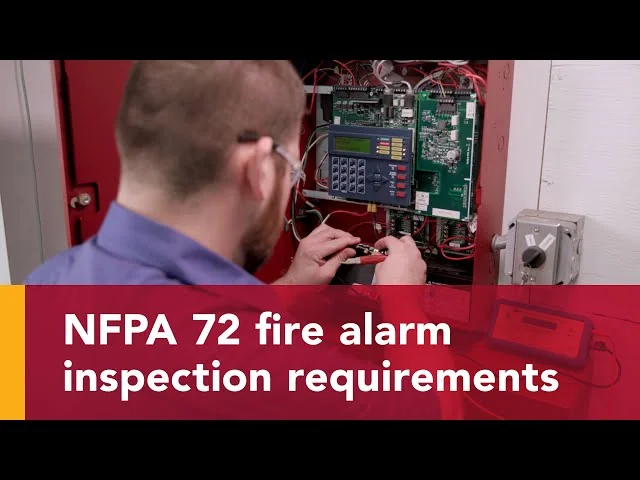
Fire alarm systems are the first line of defense in protecting building occupants from fire emergencies. However, even the most sophisticated fire alarm system is only effective if it functions properly when needed. NFPA 72, the National Fire Alarm and Signaling Code, establishes comprehensive requirements for testing and maintaining fire alarm systems to ensure reliability and code compliance. Understanding these requirements is essential for building owners, facility managers, and anyone responsible for fire safety.
Understanding NFPA 72
NFPA 72 is the foundational standard for fire alarm and emergency communications systems in the United States. Published by the National Fire Protection Association and updated on a three-year cycle, this comprehensive document addresses every aspect of fire alarm systems from design and installation through testing, maintenance, and eventual replacement. Chapter 14 of NFPA 72 specifically governs inspection, testing, and maintenance requirements that apply throughout a system's operational life.
The standard applies to all fire alarm systems regardless of age, requiring ongoing compliance even for systems installed under previous code editions. This means building owners must stay current with testing requirements as the standard evolves, though systems are typically grandfathered regarding design and installation standards that were in effect when they were built.
Testing Frequency Requirements
NFPA 72 establishes specific testing intervals for different system components based on their function and failure modes. These requirements represent minimum standards—more frequent testing may be necessary based on environmental conditions, system history, or authority having jurisdiction requirements.
Annual Testing
Annual testing represents the most comprehensive evaluation of fire alarm system performance. Qualified technicians must test all system functions including detection devices, notification appliances, control equipment, and interface connections to other building systems. This testing verifies that the system operates as designed and meets current code requirements.
During annual testing, technicians activate a representative sample of detection devices to verify proper response and signal transmission. All notification appliances must be tested to confirm audibility and visibility throughout protected areas. Control panel functions including alarm, supervisory, and trouble signals are verified, along with battery backup systems and emergency power connections.
Semi-Annual Testing
Notification appliances including horns, strobes, and speakers require testing every six months to ensure they remain operational. This frequency recognizes that these devices are critical for occupant notification and must be highly reliable. Testing verifies that all devices activate properly, produce required sound levels, and provide adequate visual notification where required.
Semi-annual testing also applies to certain supervisory devices and special hazard systems that require more frequent verification. Emergency voice communication systems must undergo comprehensive testing to verify intelligibility and coverage in all areas.
Quarterly Testing
Standby power systems including batteries and generators require quarterly testing to verify their ability to support fire alarm system operation during utility power failures. Battery voltage and current must be measured and compared to manufacturer specifications. Load testing ensures batteries can support system operation for required durations, typically twenty-four hours of standby operation plus five minutes of alarm.
Quarterly testing also applies to public emergency alarm reporting systems and certain interface equipment. These more frequent intervals reflect the critical nature of these components and their potential for degradation over time.
Monthly and Weekly Testing
Monthly visual inspections verify that system components remain in place, show no visible damage, and display proper status indicators. Control panels must show normal condition with no trouble signals present. Monthly testing of emergency voice communication systems ensures these critical life safety systems remain operational.
Weekly testing applies to public emergency alarm reporting systems and certain critical facilities. These frequent checks provide early warning of system degradation and ensure maximum reliability for high-risk occupancies.
Component-Specific Testing Requirements
Smoke Detectors
Smoke detectors are the most common fire alarm system component and require careful testing to verify proper operation. Annual testing uses smoke simulation devices or aerosol products that replicate smoke characteristics without introducing contaminants into the detector. Technicians verify that detectors respond within acceptable time frames and transmit alarm signals to the control panel.
Smoke detector sensitivity must be tested within one year of installation and every alternate year thereafter. This testing uses specialized equipment to measure the smoke density required to activate the detector. Detectors operating outside acceptable ranges must be cleaned, recalibrated, or replaced. After fifteen years of service, smoke detectors must be replaced or undergo laboratory testing to verify continued reliability.
Heat Detectors
Heat detectors require annual testing using heat simulation devices that raise detector temperature to activation points. Fixed-temperature detectors must activate within specified temperature ranges, while rate-of-rise detectors must respond to rapid temperature increases. Testing verifies both activation and signal transmission to the control panel.
Heat detectors have longer service lives than smoke detectors but still require eventual replacement. After fifty years of service, heat detectors must be replaced or undergo testing to verify continued operation within specifications.
Manual Pull Stations
Manual pull stations provide occupants with a means to manually activate the fire alarm system. Annual testing verifies that pull stations operate properly and transmit alarm signals. Single-action pull stations must activate with a single motion, while dual-action stations require two distinct actions to prevent accidental activation.
Testing includes verification that pull stations remain accessible and properly identified. Protective covers used to prevent accidental activation must operate properly without preventing intentional use during emergencies.
Notification Appliances
Audible notification appliances must produce sound levels meeting minimum code requirements throughout all areas requiring notification. Testing uses sound level meters to verify that alarm signals exceed ambient noise levels by at least fifteen decibels or reach minimum sound levels of seventy-five decibels, whichever is greater. Sleeping areas require higher sound levels of seventy-five decibels at pillow level.
Visual notification appliances must meet specific intensity and flash rate requirements based on room size and geometry. Testing verifies that strobes produce required light output and operate at proper flash rates. Synchronization of strobes must be verified to prevent disorientation and ensure effectiveness for occupants with hearing impairments.
Documentation Requirements
NFPA 72 mandates comprehensive documentation of all testing and maintenance activities. Building owners must maintain permanent records including system installation documentation, testing reports, maintenance records, and modification history. These records must be available for inspection by authorities having jurisdiction and provide a complete history of system performance.
Testing reports must document all devices tested, testing methods used, deficiencies identified, and corrective actions taken. Technicians performing testing must sign reports certifying that work was performed in accordance with NFPA 72 requirements. Building owners must retain these records for the life of the system, providing valuable information for troubleshooting and future modifications.
Qualified Personnel Requirements
NFPA 72 requires that testing and maintenance be performed by qualified personnel with appropriate training and experience. Technicians must understand fire alarm system operation, testing procedures, and code requirements. Many jurisdictions require technicians to hold specific licenses or certifications such as NICET certification in fire alarm systems.
Building owners should verify that service providers employ qualified technicians and maintain appropriate insurance coverage. Technicians should be factory-trained on specific equipment installed in your facility and stay current with code changes through continuing education.
Common Testing Challenges
Testing fire alarm systems in occupied buildings presents unique challenges. Advance notification of testing prevents confusion and unnecessary evacuation. Coordination with building occupants, security personnel, and monitoring companies ensures smooth testing with minimal disruption. Phased testing approaches allow large systems to be tested in sections, reducing the impact on building operations.
Environmental conditions can affect testing results. Temperature extremes, humidity, and airborne contaminants may impact detector sensitivity and require more frequent testing or cleaning. High-ceiling applications present access challenges that may require specialized equipment and additional time for testing.
Consequences of Non-Compliance
Failure to maintain fire alarm systems in accordance with NFPA 72 requirements carries serious consequences. Fire officials may issue citations and require immediate correction of deficiencies. Continued non-compliance can result in fines, restrictions on building occupancy, or even criminal charges in cases of gross negligence.
Insurance implications of non-compliance can be severe. Carriers may deny claims for fire losses if systems were not properly maintained. Some policies require annual certification of fire alarm system testing as a condition of coverage. Building owners who neglect testing requirements assume significant liability risk in the event of a fire-related injury or death.
Best Practices for Compliance
Successful compliance with NFPA 72 testing requirements begins with establishing a comprehensive maintenance program. Schedule testing well in advance to ensure completion within required timeframes. Maintain relationships with qualified service providers who understand your system and can respond quickly to deficiencies.
Implement a tracking system to monitor testing schedules and ensure no components are overlooked. Digital maintenance management systems can automate scheduling, track completion, and store documentation electronically. Regular review of testing reports helps identify recurring problems that may indicate the need for system upgrades or environmental improvements.
Budget adequately for testing and maintenance expenses. While costs vary based on system size and complexity, regular maintenance is far less expensive than emergency repairs or system replacement. Consider service contracts that bundle testing, maintenance, and emergency response for predictable annual costs.
Conclusion
NFPA 72 testing requirements ensure that fire alarm systems remain reliable throughout their service life. By understanding these requirements and implementing a comprehensive testing program, building owners fulfill their legal obligations while protecting occupants and property. Working with qualified professionals who stay current with code requirements provides confidence that your fire alarm system will perform as designed when seconds count.