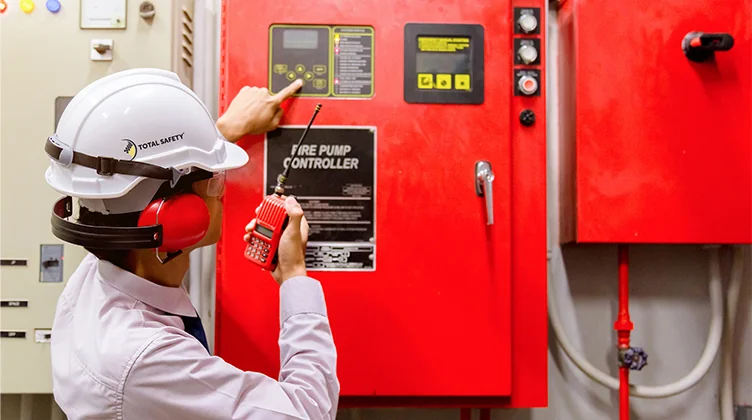
Fire protection systems represent a significant investment in life safety and property protection. Like any complex mechanical and electrical system, fire protection equipment requires regular maintenance to ensure reliable operation when needed most. Preventive maintenance goes beyond meeting code requirements—it's a strategic approach that maximizes system reliability, extends equipment life, and provides peace of mind that your fire protection systems will perform as designed during an emergency.
The Philosophy of Preventive Maintenance
Preventive maintenance is based on a simple principle: identifying and correcting minor problems before they become major failures. This proactive approach contrasts sharply with reactive maintenance, where equipment is repaired only after it fails. For fire protection systems, reactive maintenance is unacceptable because system failure during an emergency can result in loss of life and catastrophic property damage.
A comprehensive preventive maintenance program includes regular inspections, testing, cleaning, adjustment, and replacement of components based on manufacturer recommendations and code requirements. This systematic approach identifies wear, corrosion, contamination, and other conditions that could lead to system failure. By addressing these issues during scheduled maintenance, building owners avoid emergency repairs and ensure continuous fire protection.
Benefits of Preventive Maintenance
Enhanced Reliability
The primary benefit of preventive maintenance is improved system reliability. Regular testing verifies that all components function properly and meet performance specifications. Cleaning removes contaminants that can cause false alarms or prevent proper operation. Adjustment compensates for wear and environmental changes that affect system performance. The result is a fire protection system that operates reliably year after year.
Studies have shown that properly maintained fire protection systems have significantly higher reliability rates than neglected systems. Smoke detectors that are cleaned and tested regularly have failure rates below two percent, while neglected detectors may have failure rates exceeding twenty percent. This dramatic difference in reliability can mean the difference between early fire detection and a catastrophic loss.
Extended Equipment Life
Fire protection equipment represents a substantial capital investment. Preventive maintenance protects this investment by extending equipment service life. Regular cleaning prevents corrosion and contamination that can damage sensitive components. Timely replacement of batteries, lamps, and other consumable items prevents damage to more expensive components. Proper adjustment reduces wear on mechanical components such as valves and actuators.
The cost savings from extended equipment life often exceed the cost of preventive maintenance. A fire alarm control panel that receives regular maintenance may operate reliably for twenty years or more, while a neglected panel may require replacement after ten years. Addressing corrosion, damage, and wear before they become failures helps extend equipment life.
Reduced False Alarms
False alarms are a significant problem for building owners and fire departments. They disrupt business operations, waste emergency response resources, and can result in fines from local authorities. Many false alarms result from dirty or malfunctioning detection devices, improperly adjusted equipment, or environmental factors that could be identified and corrected during preventive maintenance.
Regular cleaning of smoke detectors removes dust and debris that can cause false alarms. Testing identifies detectors that have become overly sensitive or are located in areas with environmental conditions that trigger false alarms. Adjusting system sensitivity and relocating problematic devices reduces false alarm rates while maintaining proper fire detection capability.
Lower Total Cost of Ownership
While preventive maintenance requires ongoing investment, it reduces total cost of ownership through multiple mechanisms. Extended equipment life defers capital replacement costs. Reduced false alarms eliminate fines and minimize business disruption. Early detection of problems prevents minor issues from becoming expensive emergency repairs. Improved system reliability reduces insurance costs and liability exposure.
Emergency repairs typically cost two to three times more than the same work performed during scheduled maintenance. Technicians responding to emergencies may need to work overtime or on weekends. Parts may need to be expedited at premium cost. Business operations may be disrupted while repairs are completed. Preventive maintenance avoids these premium costs by addressing problems before they become emergencies.
Components of a Preventive Maintenance Program
Regular Inspections
Visual inspections are the foundation of preventive maintenance. Trained technicians examine system components for signs of damage, wear, corrosion, or improper operation. Control panels are checked for proper indication and absence of trouble signals. Detection devices are inspected for physical damage and proper mounting. Notification appliances are verified to be in place and unobstructed.
Inspection frequencies vary by component type and code requirements. Monthly visual inspections verify that systems appear normal and show no obvious problems. Quarterly inspections include more detailed examination of critical components. Annual inspections involve comprehensive evaluation of all system elements. Documentation of inspection findings provides a historical record that helps identify trends and recurring problems.
Functional Testing
Testing verifies that fire protection systems operate as designed. Detection devices are activated using appropriate test methods to verify proper response and signal transmission. Notification appliances are tested to confirm they produce required alarm signals. Control equipment is tested to verify proper operation of all functions. Interface connections to other building systems are tested to ensure proper coordination during alarm conditions.
Testing must be performed by qualified technicians using proper equipment and procedures. Smoke detectors require specialized test equipment that simulates smoke without introducing contaminants. Sound level meters verify that audible notification appliances meet minimum requirements. Proper testing techniques ensure accurate results without damaging equipment.
Cleaning and Adjustment
Cleaning is essential for maintaining fire protection system reliability. Smoke detectors accumulate dust and debris that can cause false alarms or prevent proper operation. Control panel components collect dust that can cause electrical problems. Regular cleaning prevents these problems and maintains system appearance.
Adjustment compensates for changes in system performance over time. Detector sensitivity may need adjustment as environmental conditions change. Control panel settings may require modification to reduce false alarms or improve system performance. Proper adjustment ensures systems continue to meet performance specifications throughout their service life.
Component Replacement
Some components have limited service lives and require periodic replacement. Batteries in fire alarm systems typically last three to five years and must be replaced before they fail. Smoke detector sensors degrade over time and require replacement after fifteen years. Proactive replacement of aging components prevents unexpected failures.
Replacement schedules should be based on manufacturer recommendations, code requirements, and actual system performance. Maintaining accurate records of component installation dates helps track when replacement is due. Replacing components in groups rather than individually can reduce labor costs and minimize system downtime.
Developing a Maintenance Schedule
An effective preventive maintenance program requires a detailed schedule that addresses all system components at appropriate intervals. This schedule should be based on code requirements, manufacturer recommendations, and facility-specific factors such as environmental conditions and system history. The schedule must be documented and tracked to ensure all maintenance activities are completed on time.
Many building owners find it beneficial to establish service contracts with qualified fire protection companies. These contracts typically include all required inspections, testing, and routine maintenance for a fixed annual fee. Service contracts provide budget predictability and ensure that maintenance is performed by trained technicians using proper equipment and procedures.
Documentation and Record Keeping
Comprehensive documentation is essential for demonstrating code compliance and tracking system performance over time. Maintenance records should include dates of service, work performed, deficiencies identified, and corrective actions taken. Test results should be documented with specific measurements and pass/fail determinations. Records should be maintained for the life of the system and be readily available for inspection by authorities having jurisdiction.
Modern digital record-keeping systems facilitate documentation management and provide valuable analytical capabilities. These systems can track maintenance schedules, store test results, generate compliance reports, and identify trends that may indicate emerging problems. Cloud-based systems ensure records are backed up and accessible from any location.
Selecting a Maintenance Provider
Choosing the right maintenance provider is critical for program success. Look for companies with qualified technicians who hold appropriate certifications such as NICET credentials. Verify that the company is licensed, insured, and has experience with your specific types of fire protection systems. Check references and ask about response times for emergency service.
A good maintenance provider will be proactive in identifying potential problems and recommending solutions. They should provide detailed documentation of all work performed and be responsive to questions and concerns. Establish clear communication channels and expectations for service delivery. Regular meetings to review system performance and maintenance activities help ensure the program meets your needs.
Conclusion
Preventive maintenance is not optional—it's a fundamental requirement for responsible fire protection system ownership. By implementing a comprehensive maintenance program, building owners ensure their systems will protect lives and property when needed most. The investment in preventive maintenance pays dividends through improved reliability, extended equipment life, reduced false alarms, and lower total cost of ownership. Most importantly, it provides confidence that your fire protection systems are ready to perform their life-saving function at a moment's notice.